

Recent research reveals a significant trust gap between brands using AI in marketing and consumer expectations. While 92% of marketing professionals now use AI daily, consumer trust has declined sharply, creating what experts call an "AI trust penalty" that affects brand perception, engagement, and purchasing decisions.
Key Findings:
1. Sharp Decline in Consumer Trust
Global trust in AI companies has fallen from 62% in 2019 to just 54% in 2024, with an even more dramatic decline in the United States—dropping from 50% to 35%.
A 2025 Digital Trust Index found universal decline in trust for digital services, with not one sector reaching above 50% approval when consumers were asked which they trusted with their personal data.
Reference: How to build consumer trust in the age of AI | MarTech
Reference: Authenticity in the Age of AI | California Management Review
2. The "AI-Authorship Effect" and Trust Penalty
Research shows that simply knowing content was created by AI—rather than by a human—made people trust it less and engage with it less enthusiastically.
About 62% of consumers are less likely to engage or trust content on social media if they know it was generated using AI, while 26% find AI-generated website copy impersonal and 20% deem AI-generated social media posts untrustworthy.
A 2025 study from the Nuremberg Institute for Market Decisions found that simply labeling an ad as AI-generated makes people see it as less natural and less useful, which lowers ad attitudes and willingness to research or purchase.
Reference: Consumer attitudes toward AI-generated marketing content | NIM
Reference: The AI Content Trust Gap | SmythOS
3. Consumers Can Detect AI—And Actively Reject It
73% of consumers can now correctly identify AI-generated content, and when they do, 52% report reduced engagement with content they believe is AI-generated.
When consumers believe emotional marketing communications are written by AI rather than humans, they judge them as less authentic, feel moral disgust, and show weaker engagement and purchase intentions—even when the content is otherwise identical.
Reference: The Authenticity Premium | KO Insights
4. Real-World Brand Backlash
Major brands have faced significant consumer backlash when using AI for marketing:
Coca-Cola (2024-2025):
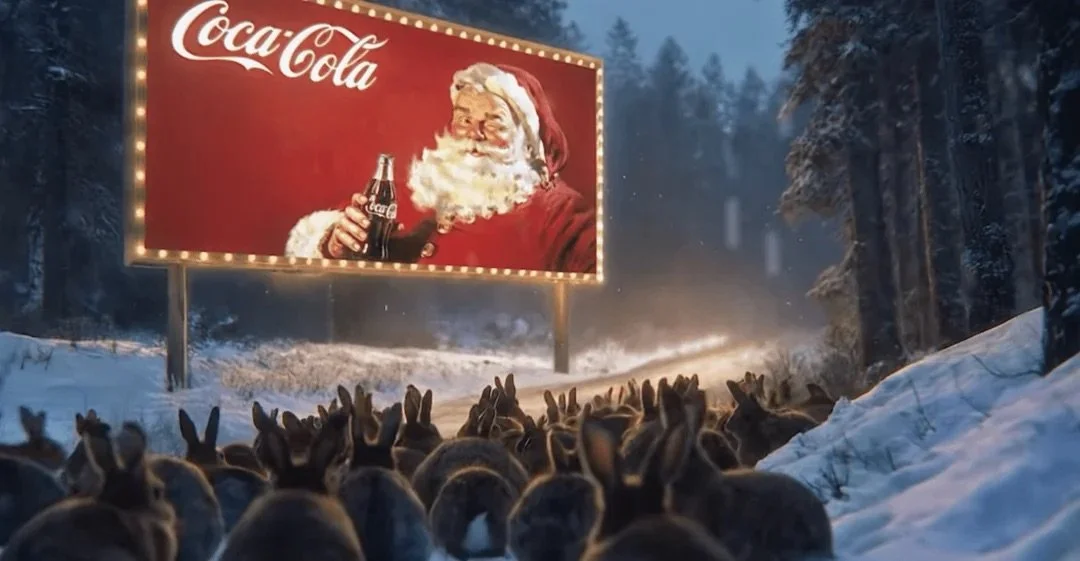
Coca-Cola faced backlash online over an AI-made Christmas promotional video that users called "soulless" and "devoid of any actual creativity". The company doubled down in 2025 with another AI holiday ad, which was again criticized as "AI slop" despite involving 100 people and costing nearly as much as traditional production.
McDonald's Netherlands (2025):
Make it stand out
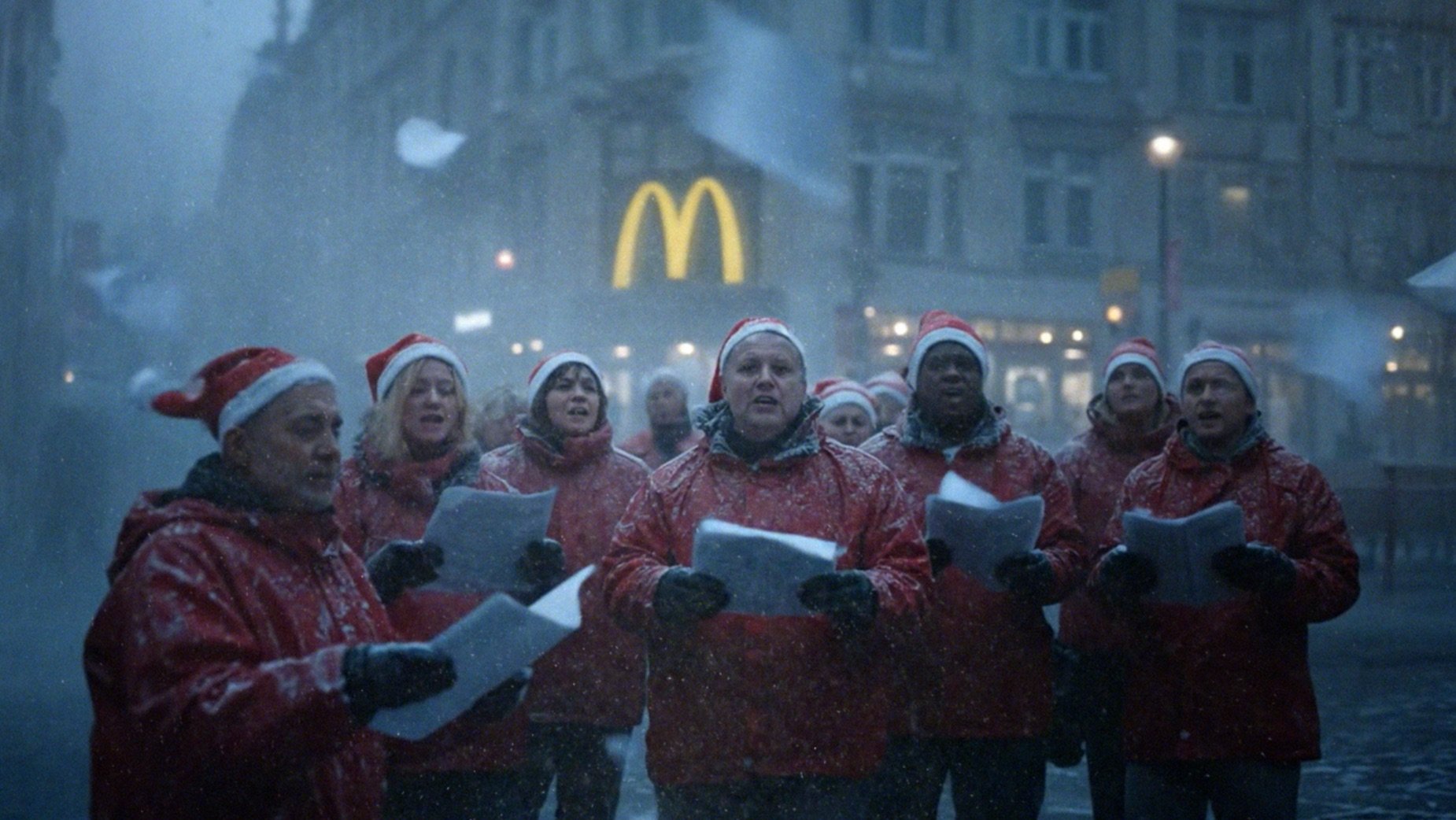
McDonald's "The Most Terrible Time of the Year" ad was pulled shortly after launch due to intense online backlash, with viewers saying it "ruined Christmas spirits" and labeling it "AI slop".
Reference: Coca-Cola causes controversy with AI-generated ad | NBC News
Reference: Why AI-Generated Holiday Ads Fail | Nielsen Norman Group
5. The Widening Gap Between Marketers and Consumers
Despite 92% of marketing professionals using AI in their workflows, 40% of consumers say brands "don't get them"—up from 25% the year before.
Only 38% of consumers share positive sentiment toward AI, compared to 77% of advertisers who view AI positively, revealing a massive perception gap.
Reference: When AI Loses Trust | Admind
6. Privacy and Manipulation Concerns
57% of consumers believe AI poses a significant threat to their privacy, and 81% are concerned that companies might misuse their data.
Nearly 40% of consumers are worried about the possibility of being misled or misinformed by brands using AI.
Reference: Building Consumer Trust in the Age of AI | Advertising Week
Reference: Consumer trust | Quirk's
7. What Consumers Actually Want
Only 29% of consumers believe AI experiences have met their expectations, and 52% don't see any real innovation from brands using AI compared to those that don't.
Research in the Journal of Business Research confirms that in contexts where emotional stakes are high, cultural significance matters, human craft is visible and valued, or trust is essential, AI-generated content creates lower trust, weaker engagement, and more negative brand evaluation.
Reference: How Brands Can Build Consumer Trust in AI | Lippincott
Industry Expert Perspectives
Marketing experts note that audiences are growing distrustful of brands that over-use AI to cut corners, and over time audiences will gravitate back toward quality and authenticity.
As AI-generated content floods every channel with audience trust eroding, traditional marketing signals like visual polish and high production value no longer guarantee credibility or impact.
Reference: Building Brand Trust in the Age of AI Skepticism | The Webby Awards
Reference: AI, trust, and impact: Marketing trends shaping 2026 | UserTesting
Bottom Line for Human Design Services
The research clearly demonstrates that:
Consumer trust in AI marketing has declined significantly across all metrics since 2019
AI-generated content faces a measurable "trust penalty" that reduces engagement and purchase intent
Consumers can identify AI content and actively choose to disengage from it
Major brands have faced real backlash when replacing human creativity with AI
The gap between what marketers think consumers want and what consumers actually want is widening
As AI-generated content floods the market, authentically human creativity becomes more valuable, not less—creating an "authenticity premium" that AI efficiency alone cannot cross.
The evidence supports that human design services offer tangible value through authenticity, emotional connection, and trust-building that AI-generated marketing consistently fails to deliver.
Additional Resources:
Consumer Trust And Perception Of AI In Marketing | Search Engine Journal
The Impact of Generative AI Images on Consumer Attitudes | MDPI
McDonald's, Coca-Cola and the AI ad debate | Deseret News
Consumers Rebel Against AI Marketing | WebProNews
Report compiled: February 2026
Blog image: Photo by Cédric VT on Unsplash